



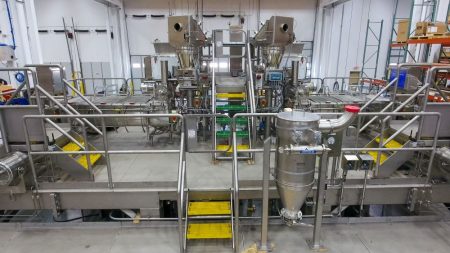
Engineering systems are expected to operate reliably for years while supporting changing operational demands, evolving infrastructure requirements, and future technological integration.
Long-term performance has become one of the most important considerations in modern engineering design and project execution. Systems that are designed only for immediate functionality often face operational limitations and maintenance challenges over time.
Reliable engineering systems depend on several factors including:
- Technical planning quality
- Equipment compatibility
- Installation standards
- Infrastructure integration
- Operational efficiency
Mechanical systems, HVAC infrastructure, elevators, and building technologies all require structured engineering coordination to maintain dependable long-term performance.
A well-designed engineering system should provide:
- Stable operational reliability
- Efficient system functionality
- Reduced maintenance issues
- Scalable infrastructure support
- Consistent long-term performance
Engineering decisions made during early project phases significantly influence future operational outcomes. Proper system planning helps reduce inefficiencies while improving overall infrastructure stability.
At UJ Engineering, projects are approached with a focus on technical precision, organized execution, and operational reliability. Systems are evaluated not only for current performance requirements but also for future scalability and long-term functionality.
The company’s engineering-first philosophy emphasizes practical implementation, efficient coordination, and dependable infrastructure solutions designed to support modern projects over time.
As infrastructure demands continue to grow, long-term engineering performance remains essential for creating systems that are reliable, efficient, and prepared for future operational needs.


